

Home Automation Mind Map
Home Automation Devices
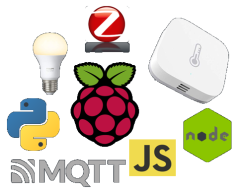
In the diagram above, we can see a partitioning into Vendor specific Gateways and Open Gateways for which the Raspberry pi is an ideal open Hardware standard.
The same partitioning is done for the devices, where the ESP32 and the Arduino are a major player in the DIY electronics. More and more users are crossing the step of bravery of building their own garage opener, which might be less secure as a protocol, but as it is limited to local network can occur much less risk than vendors devices that could be Hacked from the other side of the world.
Background
Networks
The 2.4 GHz range clusters in two groups, user centered environment and Autonomous server based environment. The user, expected to be armed with a smartphone, has placed the Bluetooth as main protocol for device to user direct interactions. Although Bluetooth is catching up by adding support for Mesh, this mixes of concerns in order to win market over mesh based devices has kept support for Bluetooth mesh marginal. Zigbee, based on the 802.15.4 standard, has well succeeded into providing products suited for home applications. Currently support is added for sub GHz, but most devices operate in the 2.4 GHz. Limitations from both frequency and transmission power have been solved by the mesh protocol, where light bulbs, as first target of Zigbee, play the role of routers. If to think about a mesh at home, what a better location for a router than in the center of the room, right on the ceiling for obstacle avoidance and in a spot with access to power supply to allow permanent radio listening and packets routing, and this is where the light bulbs are usually placed.
How can a user invest in a home equipment without getting deprecated before the installation is complete ? How can a user use his favorite User Interface with his favorite Light bulbs and Sensors ? And this without requiring Hacker’s skills ? These are still open questions.
Frameworks, Applications, Assistants
Philips Hue is mentioned because the light bulbs are the first successful product in home automation. By successful, it is meant that the product is truly smart, without degradation of the basic functionality, like a PC that needs 5 minutes to boot that makes you wish you sent the mail by post. Philips Hue has the limitation of not having a concept for event based API notification, they do not allow PUTs to custom local URLs.
Assistants are listed here as part of the Automation scene, Alexa, Google and Apple Home. These assistants are here to help on particular circumstances where voice control is suited. Two regressions in the quality of life can happen from their usage. First, if the voice becomes the only way to actuate a device, that turns things as simple and quick as pressing a button into shouting at night and begging and repeating just to switch a TV on. Second, all complex orders that would require complete paragraph of description to get you what you want, while with a slider, the space geometry is intuitive enough to save you that pain. Same for selecting a particular channel, or opening the window just enough to let a bit of wind and not too much not to let a cat through.
The smartest environment is definitely the one that knows what you want so that you don’t need to ask. Knows that you’re reading a book so adjusts the light on reading level in the spot where you're sitting, so the less screens and the less talk required, the smarter is the environment.
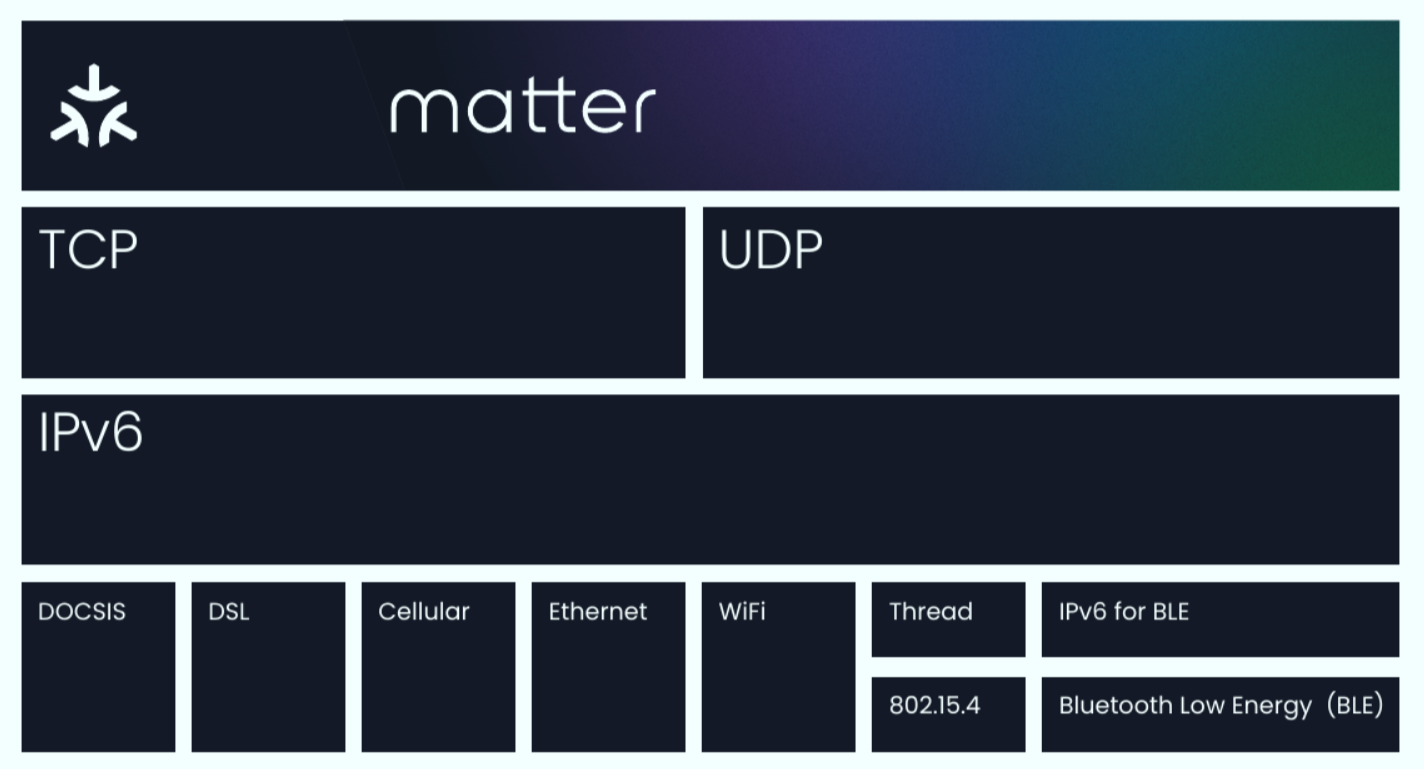
Will the Matter Protocol allow Big Techs, Startups and Makers to cooperate and provide the service everyone is best at and plug it easily on the rest of the Home Automation ?